
Egg Substitutes in Cake Mixes: The Complete Guide
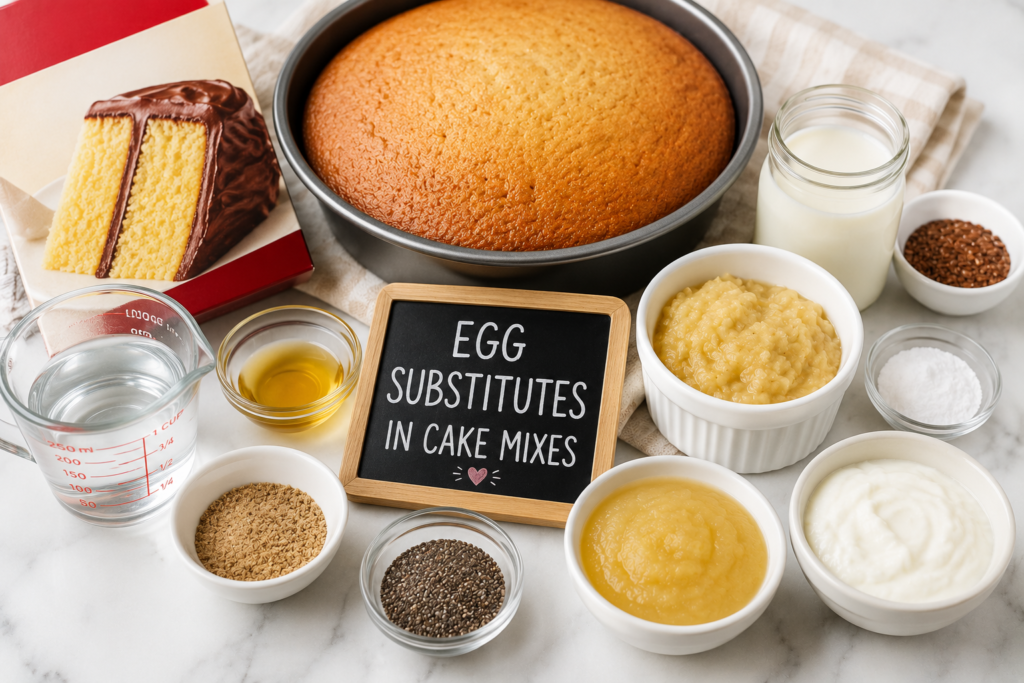
Have you ever opened a box of cake mix only to realize you’re out of eggs? It’s a common situation, especially when you’re ready to bake and don’t want to make an extra trip to the store. You might also be baking for someone with an egg allergy, following a vegan lifestyle, or simply trying to reduce certain ingredients in your diet. The good news is that eggs are not always essential for making a delicious cake.
There are several easy egg substitutes that work well in boxed cake mixes. Some replacements help create a light and fluffy cake, while others produce a richer, denser, and more moist texture. The key is understanding what each substitute does and choosing one that matches the type of cake you’re making and the texture you prefer.
In this guide, we’ll explain why eggs are used in cake mixes, explore the best egg replacements in detail, and help you decide when to use each one for the best results.
Why Do Cake Mixes Need Eggs?
Eggs play several important roles in baking, and understanding these roles will help you choose the right substitute. They are not just a single-purpose ingredient—they contribute to multiple aspects of a cake’s structure and flavor.
Here’s what eggs do:
- Bind the ingredients together: Eggs act like glue, helping all the ingredients stick together so the cake doesn’t crumble apart when sliced.
- Add moisture: The liquid content in eggs keeps the cake soft and prevents it from becoming dry.
- Trap air during mixing: When eggs are beaten, they incorporate air into the batter, which helps the cake rise and become fluffy.
- Create a tender crumb: Eggs contribute to the soft, delicate texture that makes cakes enjoyable to eat.
- Add richness and flavor: The fats in egg yolks enhance the overall taste and give the cake a richer mouthfeel.
- Contribute to color: Eggs help give cakes their golden, appealing color when baked.
Since eggs perform multiple functions at once, the best substitute depends on which of these qualities you want to replicate—moisture, structure, or lift.
Best Egg Substitutes for Cake Mixes
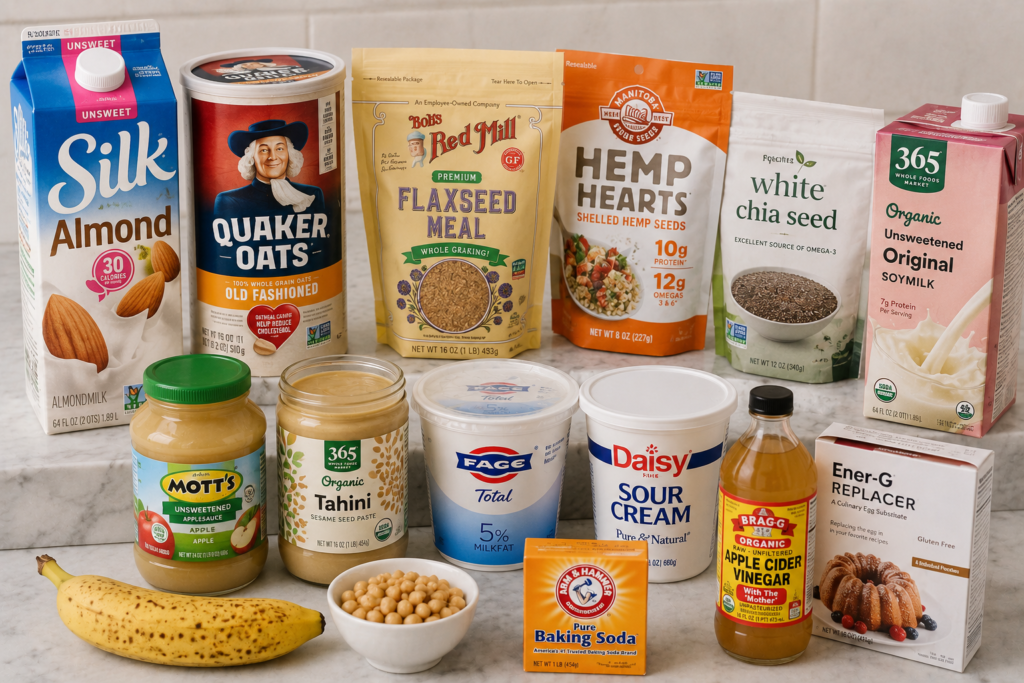
1. Unsweetened Applesauce
Applesauce is one of the most popular egg replacements because it adds moisture while keeping the flavor relatively neutral. It works especially well in most standard cake mixes.
Best for:
- Vanilla cake
- Yellow cake
- Chocolate cake
- Spice cake
Pros
- Creates a moist, soft cake that stays fresh longer
- Easy to find in most grocery stores
- Naturally fat-free, making it a lighter option
Cons
- Using too much can make the cake slightly dense or gummy
How to use: Replace each egg with about 1/4 cup of unsweetened applesauce. Mix it thoroughly into the batter to ensure even distribution.
2. Mashed Banana
A ripe banana works well as an egg substitute because it provides both moisture and binding. The natural sugars also add sweetness to the cake.
Best for:
- Chocolate cake
- Spice cake
- Banana-flavored desserts
Pros
- Adds natural sweetness, reducing the need for extra sugar
- Keeps cakes moist and soft
Cons
- Leaves a noticeable banana flavor, which may not suit all recipes
How to use: Mash a ripe banana until smooth and use about 1/4 cup per egg. Make sure there are no large lumps for a smoother batter.
3. Plain Yogurt
Plain yogurt is an excellent substitute because it adds protein, moisture, and a slight richness without overpowering the flavor.
Best for:
- Vanilla cake
- Lemon cake
- Chocolate cake
- Funfetti cake
Pros
- Produces a soft and fluffy texture
- Keeps cakes moist for longer periods
- Has a neutral flavor that blends well
Cons
- Slightly heavier than eggs, which may affect very light cakes
How to use: Use 1/4 cup of plain yogurt per egg. Stir it well into the batter to avoid clumps.
4. Sour Cream
Sour cream is often used by professional bakers to create cakes with a rich, tender crumb and a bakery-style finish.
Best for:
- Pound cakes
- Chocolate cakes
- Bundt cakes
Pros
- Adds richness and depth of flavor
- Creates a soft, velvety texture
- Helps cakes stay moist for days
Cons
- Higher in fat and calories
How to use: Substitute each egg with 1/4 cup of sour cream and mix thoroughly into the batter.
5. Buttermilk
Buttermilk adds moisture and has a slight acidity that reacts with baking soda or baking powder, helping the cake rise.
Best for:
- White cake
- Yellow cake
- Red velvet cake
Pros
- Creates a light and tender texture
- Adds a subtle tang that enhances flavor
Cons
- Doesn’t provide as much binding as eggs
How to use: Use 1/4 cup of buttermilk per egg and ensure the batter is well mixed for even consistency.
6. Vinegar and Baking Soda
This combination creates carbon dioxide when mixed, which helps cakes rise and become airy—similar to the effect of eggs.
Best for:
- Vegan cakes
- Light sponge cakes
Pros
- Produces a fluffy, airy texture
- No noticeable taste when baked
Cons
- Does not add richness or moisture
How to use: Mix 1 tablespoon of vinegar with 1 teaspoon of baking soda per egg. Add it to the batter just before baking for best results.
7. Ground Flaxseed
Often called a “flax egg,” this vegan option forms a gel-like consistency when mixed with water, helping bind ingredients together.
Best for:
- Whole wheat cakes
- Spice cakes
- Vegan baking
Pros
- High in fiber and nutrients
- Completely plant-based
- Adds a mild nutty flavor
Cons
- Can make cakes slightly denser
How to use: Mix 1 tablespoon of ground flaxseed with 3 tablespoons of water. Let it sit for 5–10 minutes until it thickens, then add it to the batter.
8. Chia Seeds
Chia seeds work similarly to flaxseed by absorbing water and forming a gel that helps bind ingredients.
Best for:
- Vegan cakes
- Dense cakes
- Chocolate cakes
Pros
- Rich in nutrients and omega-3 fatty acids
- Strong binding ability
Cons
- Tiny black or white specks may remain visible in the cake
How to use: Mix 1 tablespoon of chia seeds with 3 tablespoons of water and let it sit until it forms a gel before adding to the batter.
9. Silken Tofu
Silken tofu blends into a smooth puree that replaces eggs while adding protein and creaminess.
Best for:
- Dense cakes
- Brownies
- Cheesecake-style desserts
Pros
- High in protein
- Creates a creamy, smooth texture
Cons
- Does not help cakes rise as much as eggs
How to use: Blend silken tofu until smooth and use 1/4 cup per egg. Make sure it’s fully pureed to avoid lumps.
10. Commercial Egg Replacers
These are specially formulated powders designed to mimic the properties of eggs in baking.
Best for:
- All boxed cake mixes
- Vegan recipes
- Egg allergies
Pros
- Consistent and reliable results
- Designed specifically for baking
- Neutral flavor
Cons
- May not be available in all stores
How to use: Follow the instructions on the package, as different brands may vary in measurements.
Which Egg Substitute Is Best?
Not every substitute produces the same results. Here’s a quick comparison:
| Egg Substitute | Texture | Flavor Change | Best For |
|---|---|---|---|
| Applesauce | Moist | Very mild | Most cakes |
| Yogurt | Soft and fluffy | None | Vanilla and chocolate cakes |
| Sour Cream | Rich and tender | None | Dense, moist cakes |
| Banana | Moist | Banana flavor | Chocolate and spice cakes |
| Buttermilk | Light | Slight tang | White and yellow cakes |
| Vinegar + Baking Soda | Light and airy | None | Vegan cakes |
| Flaxseed | Dense | Nutty | Whole grain and vegan cakes |
| Chia Seeds | Dense | Minimal | Vegan baking |
| Silken Tofu | Dense and creamy | None | Brownies and rich cakes |
Can You Make Cake Mix Without Eggs?
Yes, you absolutely can. Most boxed cake mixes will bake successfully without eggs when you use the right substitute. While the texture may vary slightly depending on the replacement, the cake will still turn out delicious and enjoyable.
The key is choosing a substitute that provides the specific qualities your cake needs—whether that’s moisture, structure, or lift.
Tips for Success
- Follow the recommended amount: Using too much or too little of a substitute can affect the texture and structure of your cake.
- Avoid mixing multiple substitutes: Unless a recipe specifically calls for it, stick to one replacement to maintain consistency.
- Mix gently: Overmixing can make the cake tough, especially when using egg substitutes.
- Check for doneness early: Egg-free cakes may bake slightly faster or slower, so start checking a few minutes before the suggested time.
- Cool completely before frosting: This helps the cake set properly and prevents it from breaking apart.
Frequently Asked Questions
What is the easiest egg substitute for boxed cake mix?
Unsweetened applesauce is often the easiest and most reliable option because it’s widely available and consistently produces moist cakes.
Which substitute makes the fluffiest cake?
Plain yogurt and the vinegar-and-baking-soda combination typically create the lightest and fluffiest texture.
Can I use milk instead of eggs?
No. Milk adds moisture but does not provide the binding or structure that eggs do, so it cannot replace eggs on its own.
Are egg substitutes suitable for every cake mix?
Most cake mixes work well with substitutes, but delicate cakes like angel food or sponge cakes rely heavily on eggs and are harder to adapt.
Do egg substitutes change the flavor?
Some do. Applesauce adds mild sweetness, banana adds a distinct flavor, while yogurt, sour cream, and commercial replacers have little to no impact on taste.
Final Thoughts
Running out of eggs doesn’t mean you have to stop baking. Whether you’re avoiding eggs due to allergies, dietary choices, or convenience, there are plenty of reliable alternatives that work beautifully in boxed cake mixes.
For the best overall results, unsweetened applesauce, plain yogurt, and sour cream are excellent choices. If you’re baking vegan, flaxseed, chia seeds, or a vinegar and baking soda mixture can help you achieve great texture and flavor.
Don’t be afraid to experiment with different substitutes to find what works best for your favorite cake mix. With the right choice, you can enjoy a moist, flavorful cake every time—no eggs required.